Piano Service: Maintenance, Regulation & Voicing
When you no longer feel as connected to your piano as you once did, it may be time to ask: does my piano need servicing? This article explains why that connection naturally diminishes over time — and how professional servicing can restore it.

The Connection between Pianist & Piano
There is a particular feeling when playing a new piano for the first time — it feels right, the instrument sings and you feel a connection to the piano — but what is it about the piano that creates that experience?
Aside from being well tuned, it is determined by the piano’s ability to offer the pianist:
Control over the dynamic range — the ability to play softly (piano) and loudly (forte).
An immediate response and fast repitition to the pianist’s touch.
Evenness and smoothness of feeling across the piano, from one key to the next.
A rich-sounding tone — the voice of the piano.
This allows for musical expression — for the pianist to convey the intention of the music, to emphasise emotion and play with enjoyment.
The essential elements of a well-made, well-maintained piano are dynamic range, responsiveness, evenness and tone. These qualities should be directly at the pianist’s fingertips.
Over time these qualities naturally begin to diminish. To know why, we need to have a look deeper inside the piano.
A Look Inside the Piano
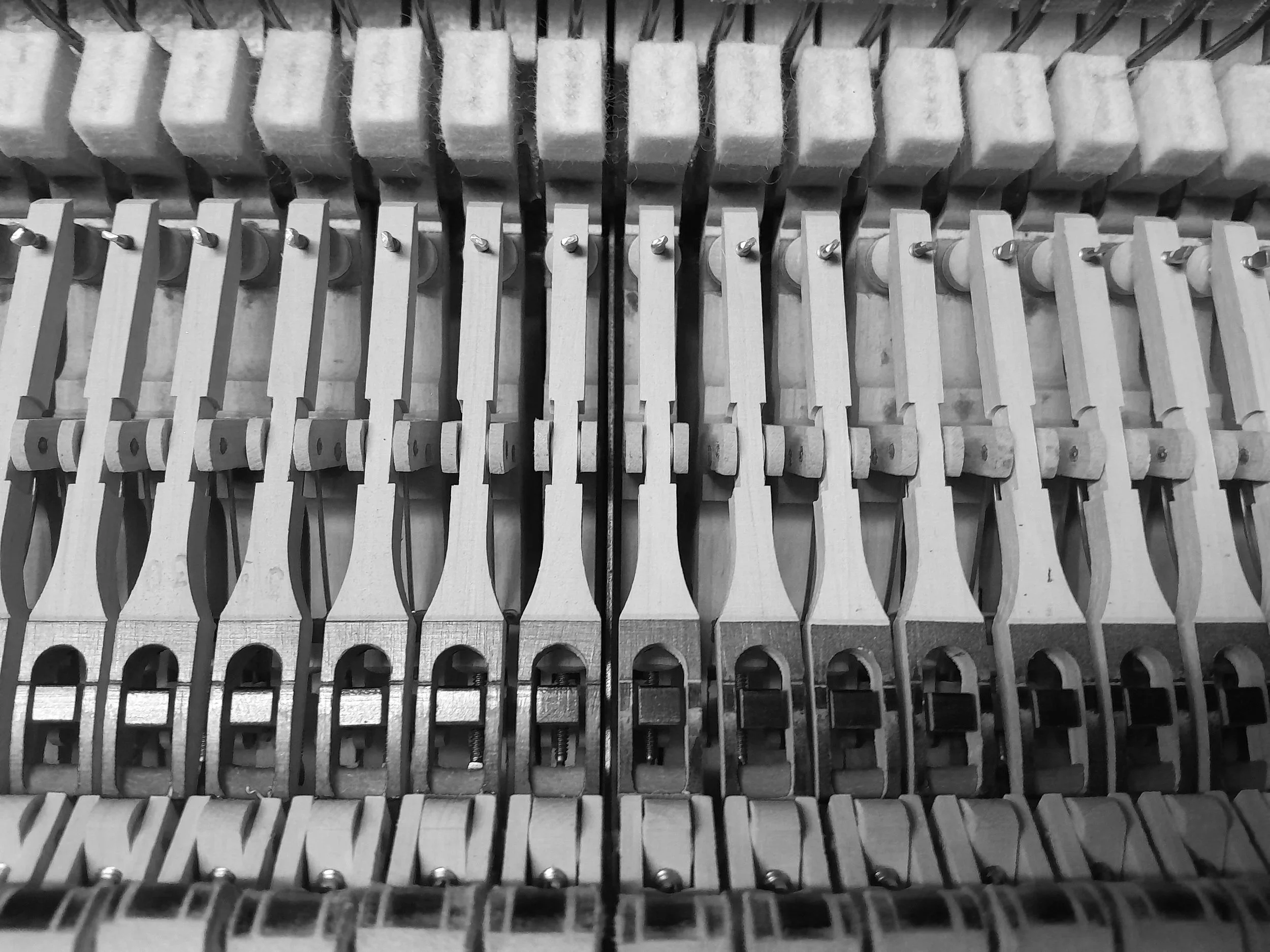
There are roughly 12,000 parts in a piano.
Looking inside the piano, one will see an intricate mechanism. This is known as the “action”. A piano action is a complex pivot-and-lever system with a key at one end and a hammer at the other. It is responsible for transmitting the force from the pianists fingers on the keys to the strings via the hammer and so produce sound.
A piano is a finely engineered instrument, with thousands of components working together through precise geometry.
Designed to operate within precise tolerances, often measured to the millimetre, the piano action uses a series of carefully balanced movements to give the hammer a mechanical advantage of around 5:1 over the key. This allows the hammer to travel around five times faster than the key, resulting in the almost instantaneous response to a pianists fingertips.
The carefully set action allows great control over the dynamic range available, aiding soft and pianoissimo emphasis, essential for expressive playing.
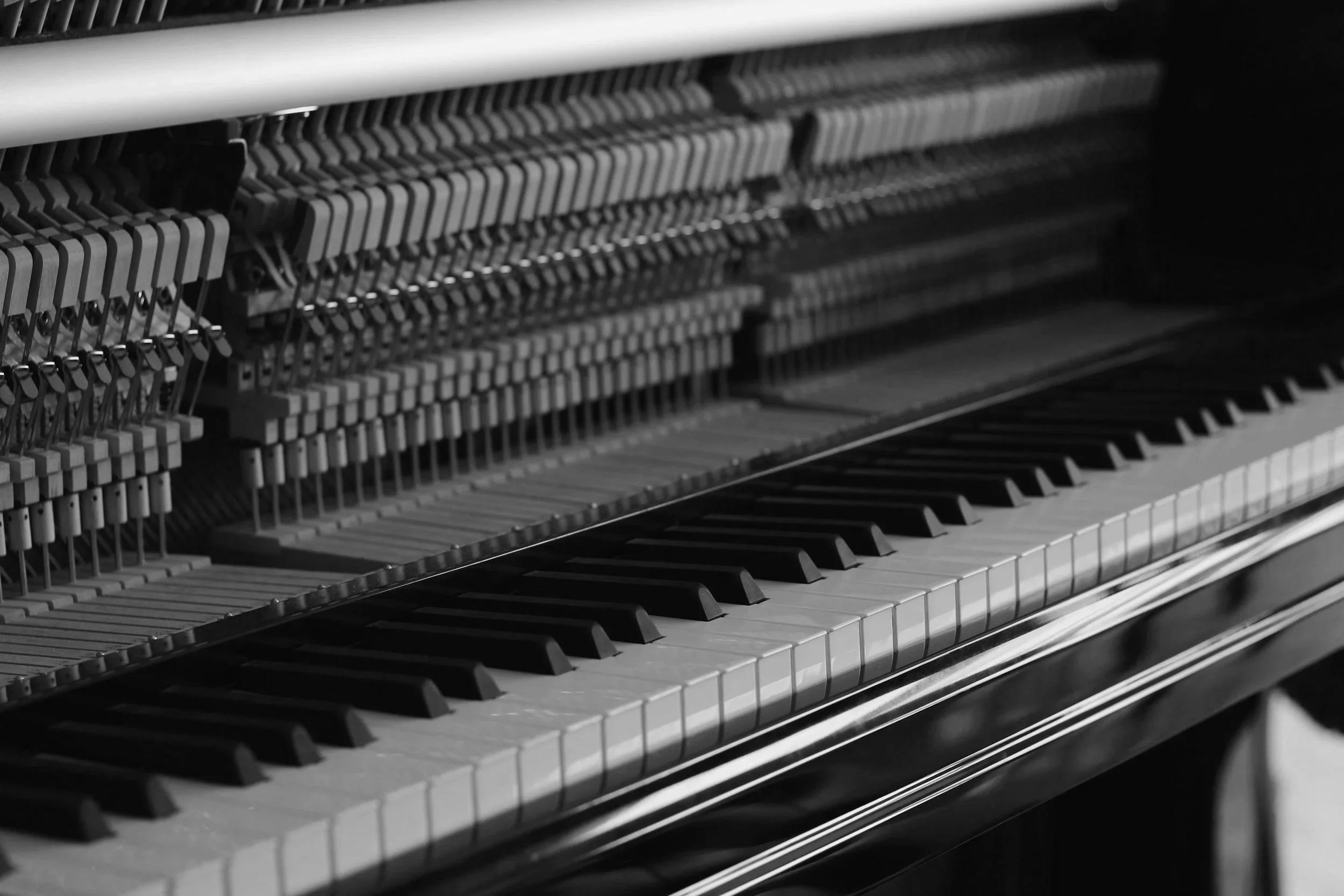
For every key pressed about 100 parts in the action are set into motion.
However, the piano’s mechanism is made up of thousands of small components, many of which are natural materials such as wood, felt and leather. Over time, playing, wear and changes in the environment cause these materials to move and deteriorate, increasing friction and putting the actions carefully set positions out of adjustment. All of which has an effect on playing.
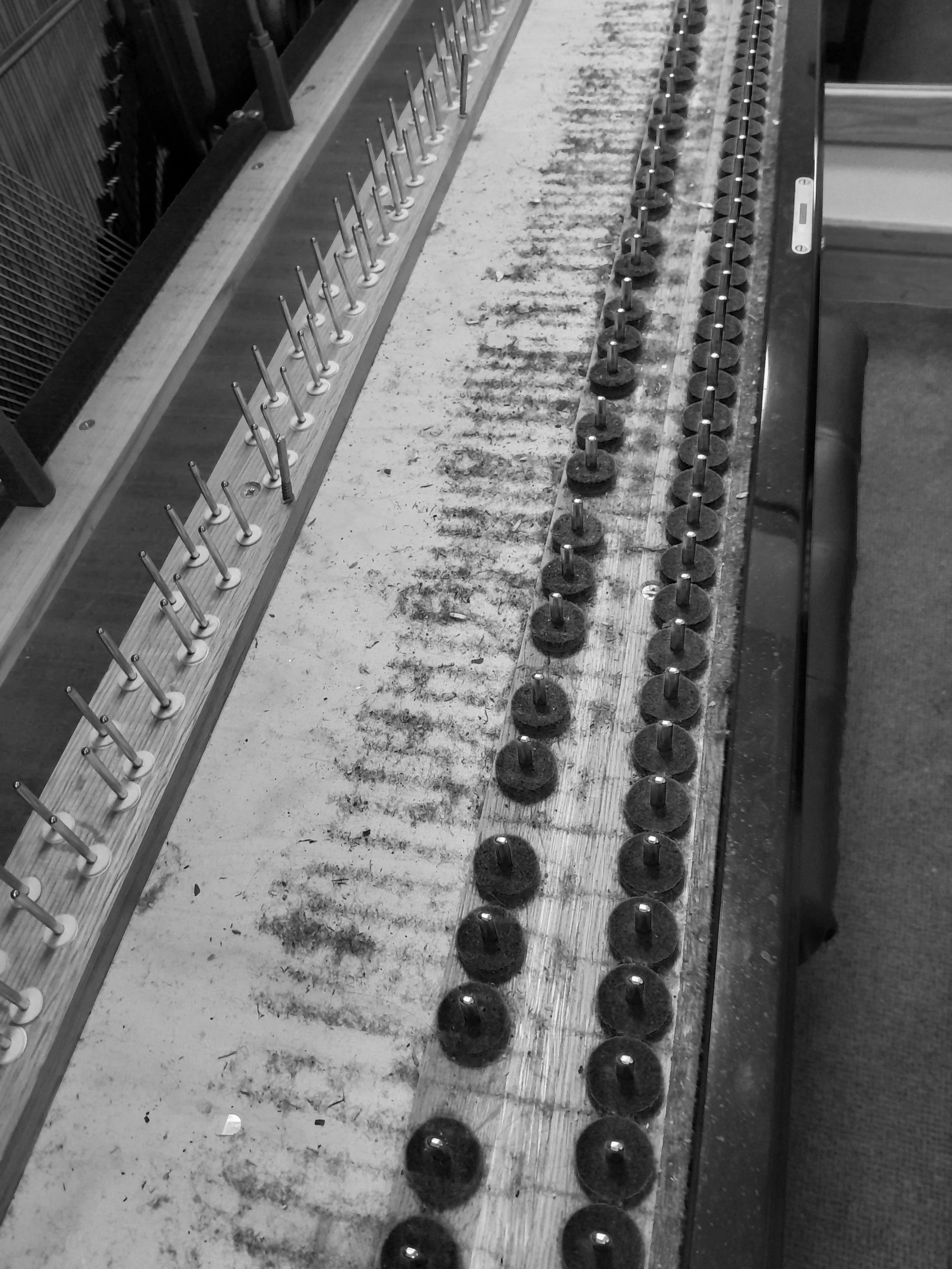
Dust and other impurities can accumulate inside the instrument and affect its operation over time.
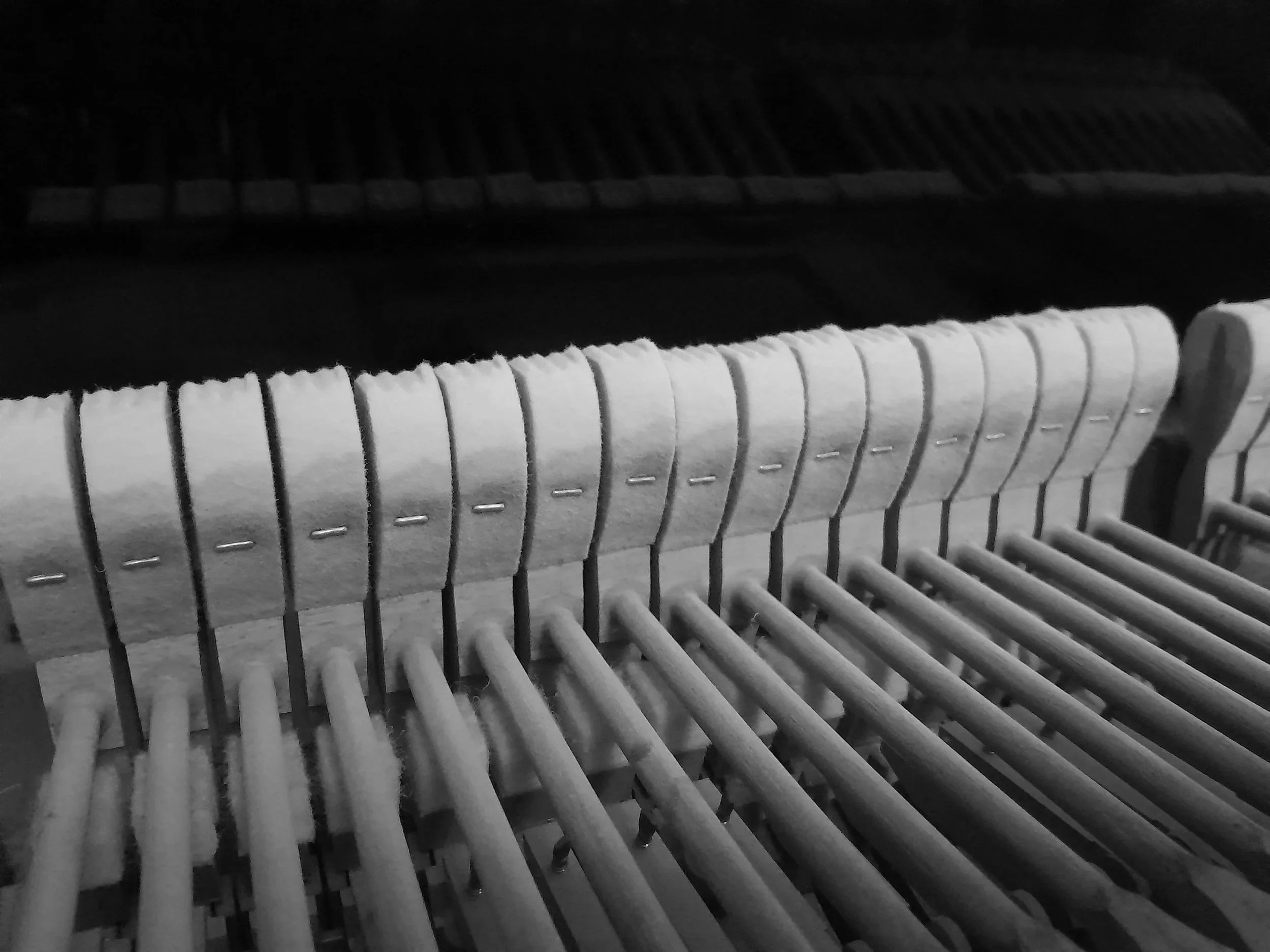
Worn felts compromise geometry and alignment affecting even playing.
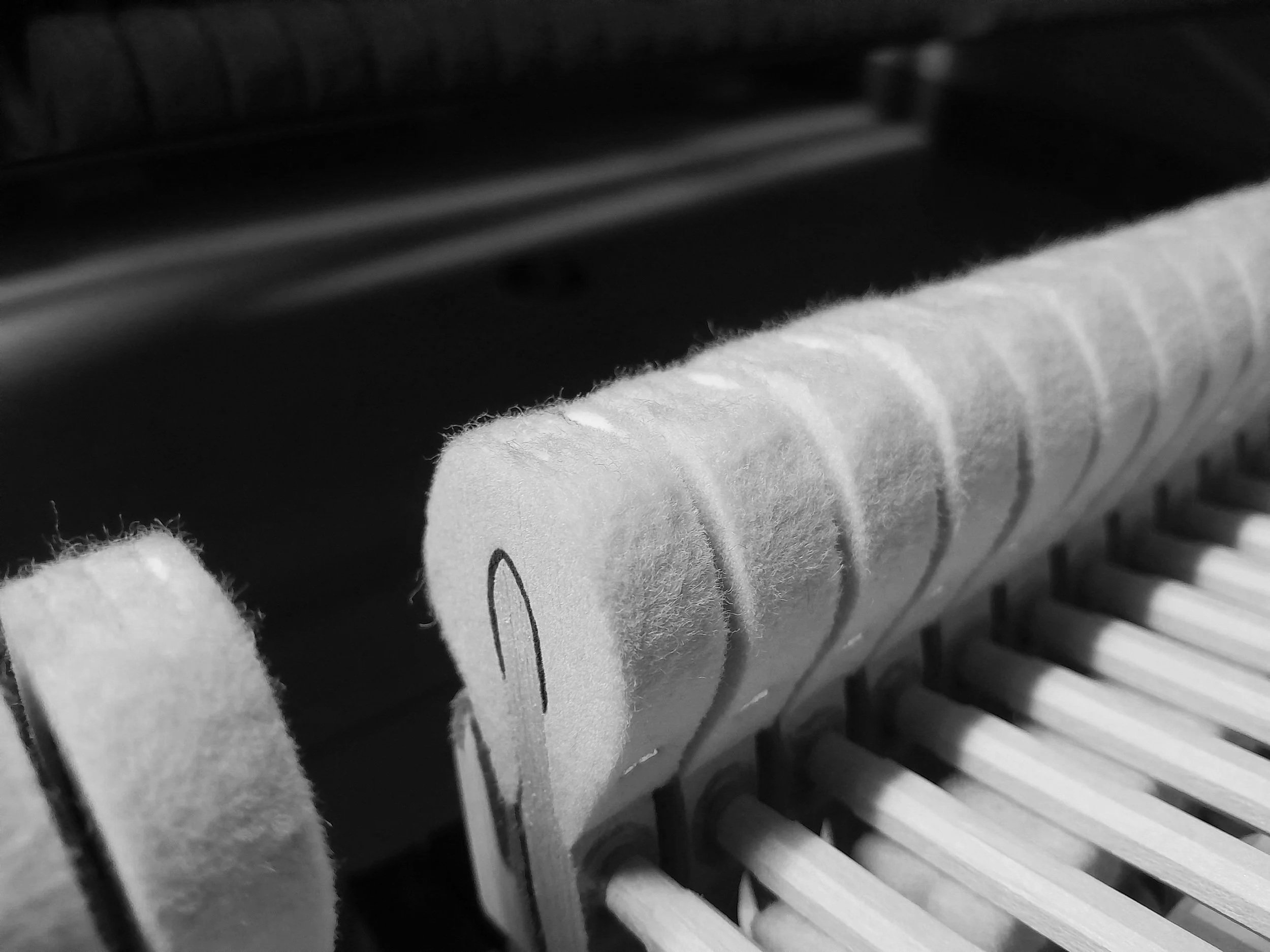
With heavy use, hammers become hard, grooved and flat creating a harsh sound.
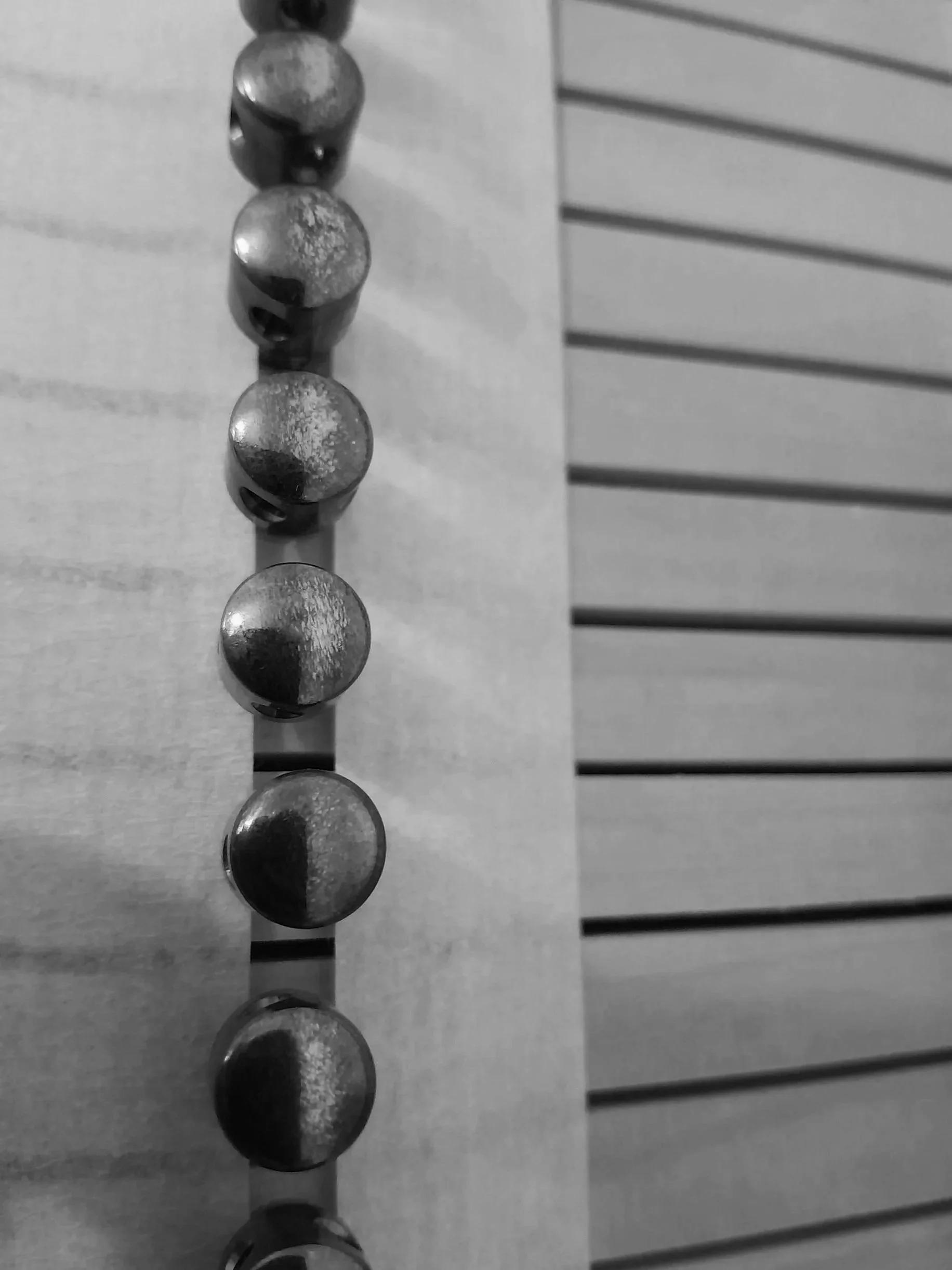
Tarnished capstans increase friction.
Effects on Playing
Over time, all of these subtle changes in the piano’s mechanism accumulate, gradually affecting the pianist’s experience. The first indication is often something you feel rather than see —perhaps you are having to work harder to achieve the same musical result, you cannot get the same projection or subtlety from the instrument or you find yourself thinking that you are not playing as well as you once did.
One of the main impacts is difficulty playing very softly and controlling pianissimo.
The result can be less expression, less enjoyment and a growing sense that the piano is becoming dull or difficult to play. This can limit musical potential and even make you less inclined to practise.
This is no fault of the piano or the pianist. Even the finest piano requires periodic professional servicing to preserve its responsiveness, expression and connection to the pianist.
Piano Service
Whilst pianos are designed to last, in order to maintain their playing level and tone, they require to be serviced periodically. A piano service is the technical work undertaken to restore the piano to its potential.
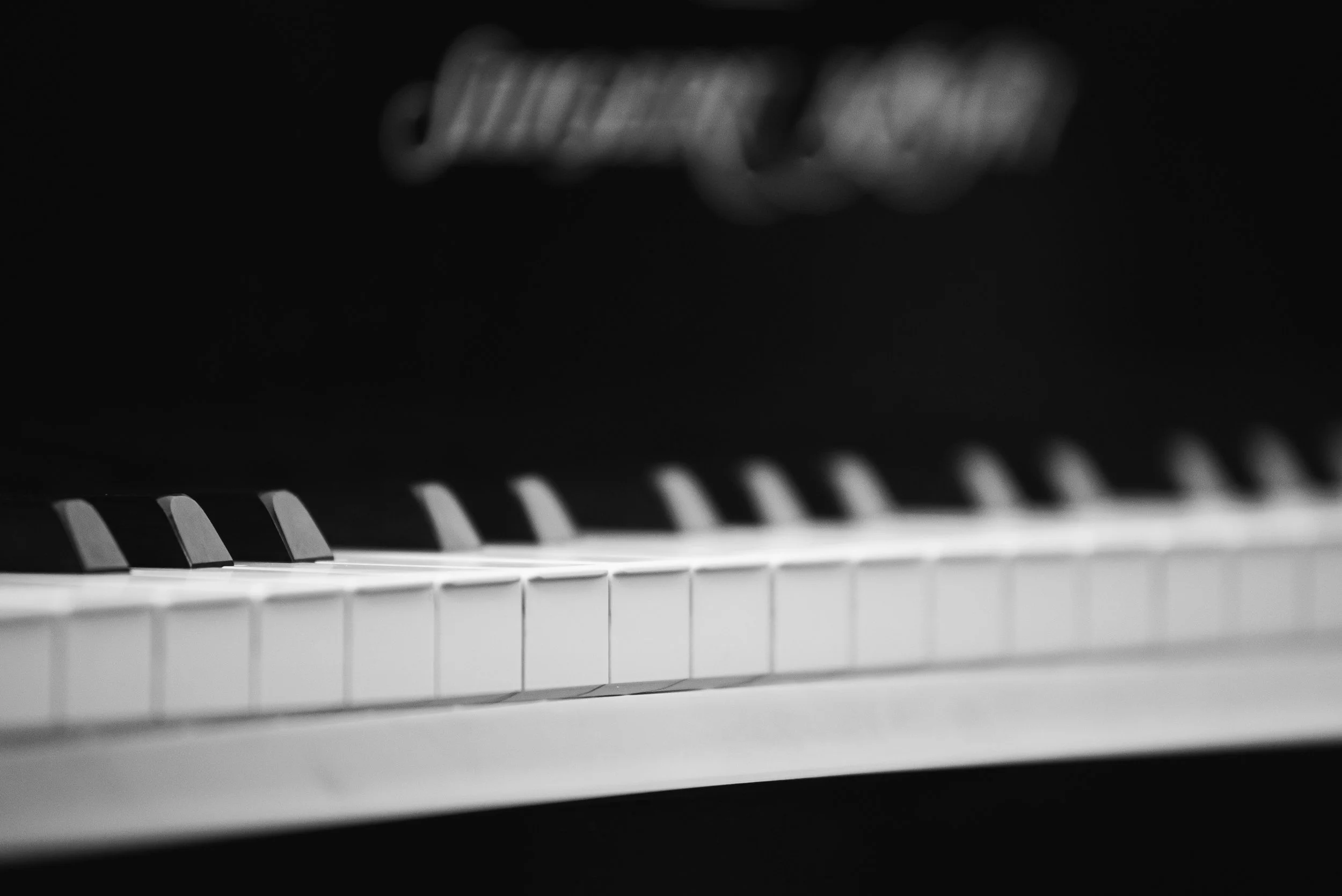
The precise work required depends on the instrument's age, condition, construction, use and environment but generally involves:
Maintenance
Regulation
Hammer Shaping & Voicing
Maintenance
Addresses the physical condition of the instrument. A piano can contain around 300 screws in the action alone, but there is far more to the instrument. The pedal mechanism, damper system, soundboard, key bed, strings, bridges and frame, with their many nuts and bolts, all require secure connections, cleaning, polishing and lubrication to ensure everything functions correctly and works together as it should.
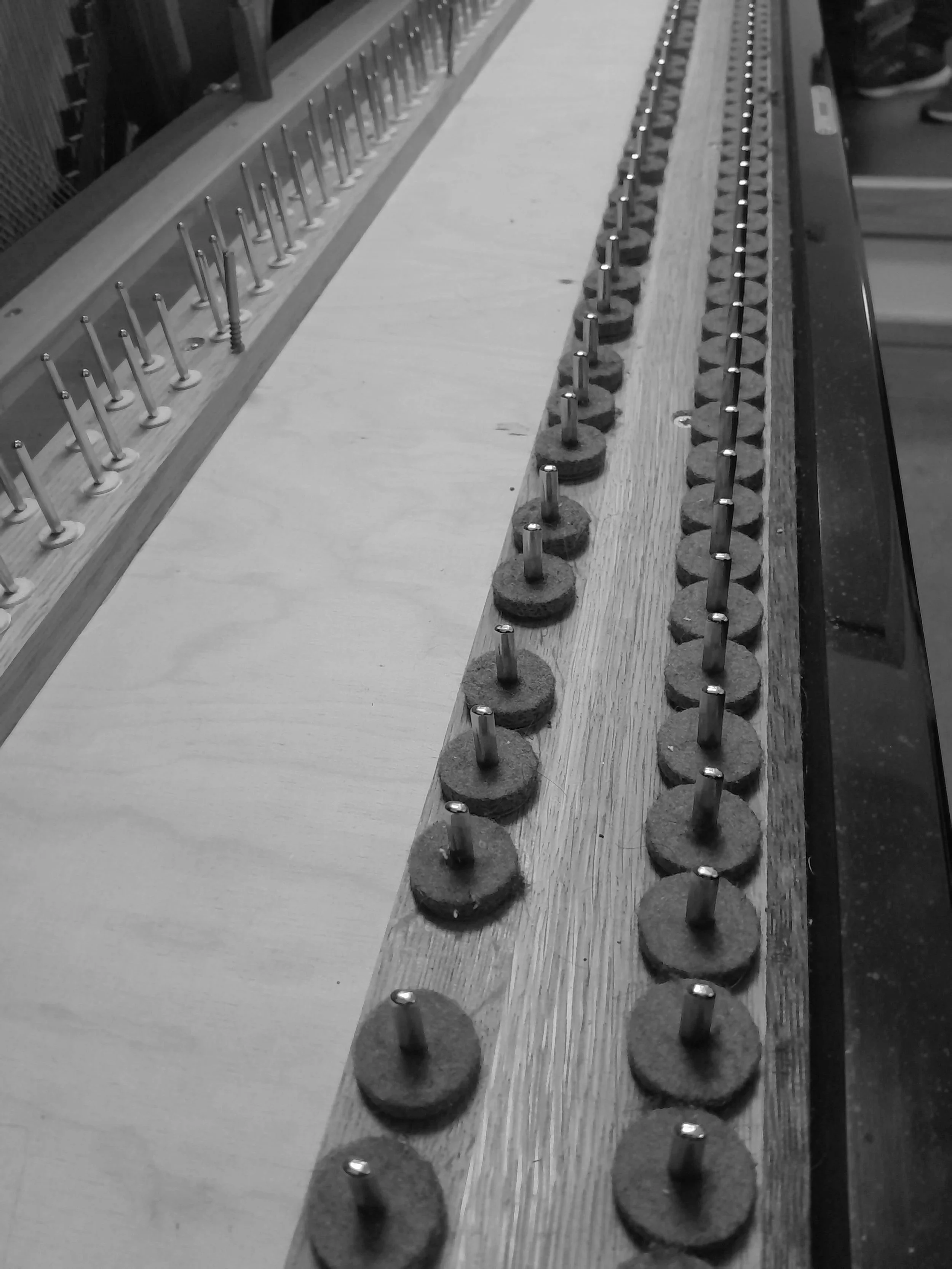
Cleaning the piano is an essential part of maintenance.
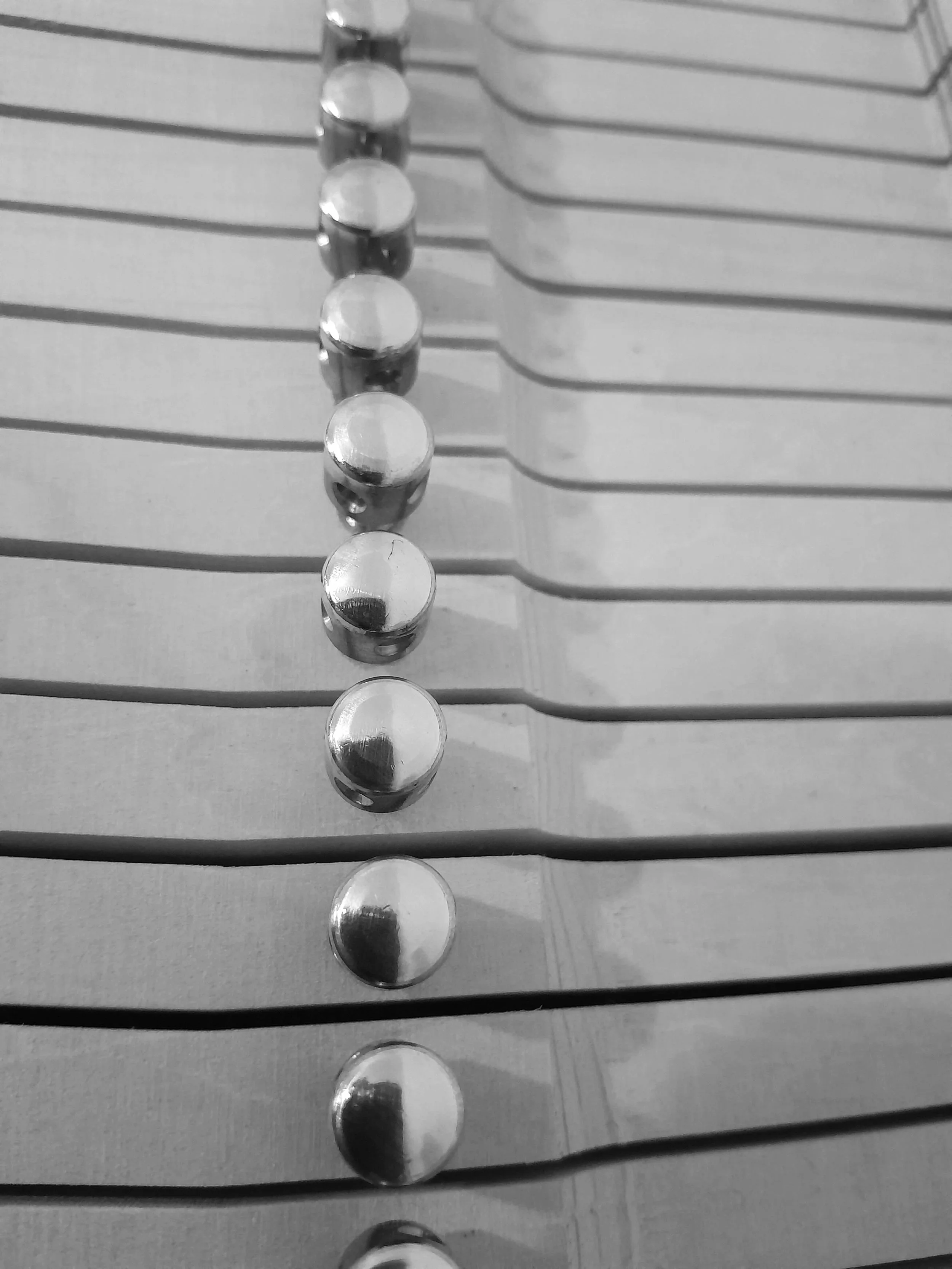
Polishing carefully restores a smooth surface and improves touch.
Regulation
Regulation refers to the precise adjustment of the piano’s action, keyboard and pedal mechanisms, ensuring they work together within exact tolerances to determine the instrument’s playability, touch, control and responsiveness. This includes such steps as setting key height and dip, hammer-to-string distance (blow distance), drop and repetition lever height on grands, as well as set-off and checking distances.
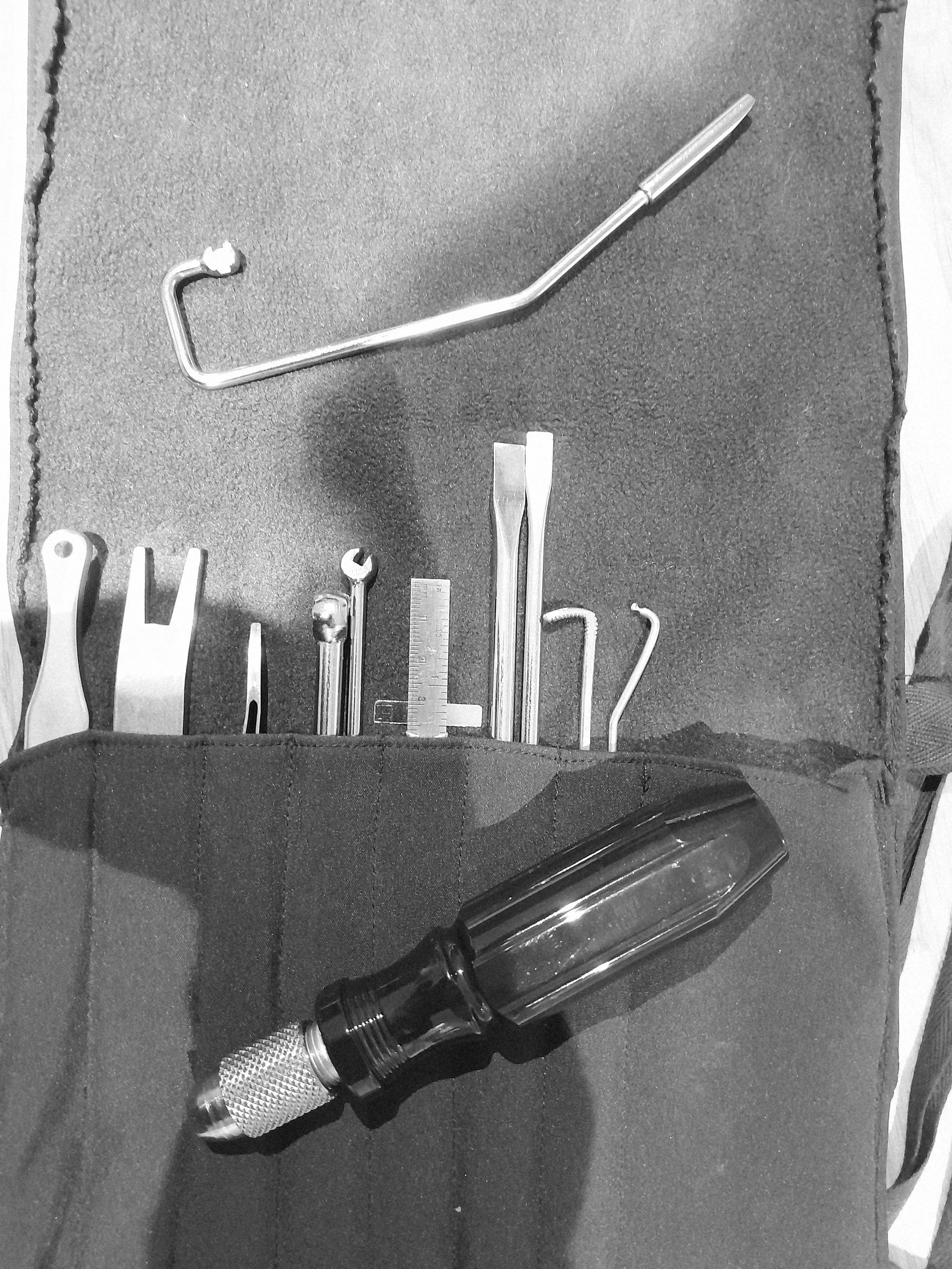
A technician has a large array of specific tools in which to make regulation adjustments.
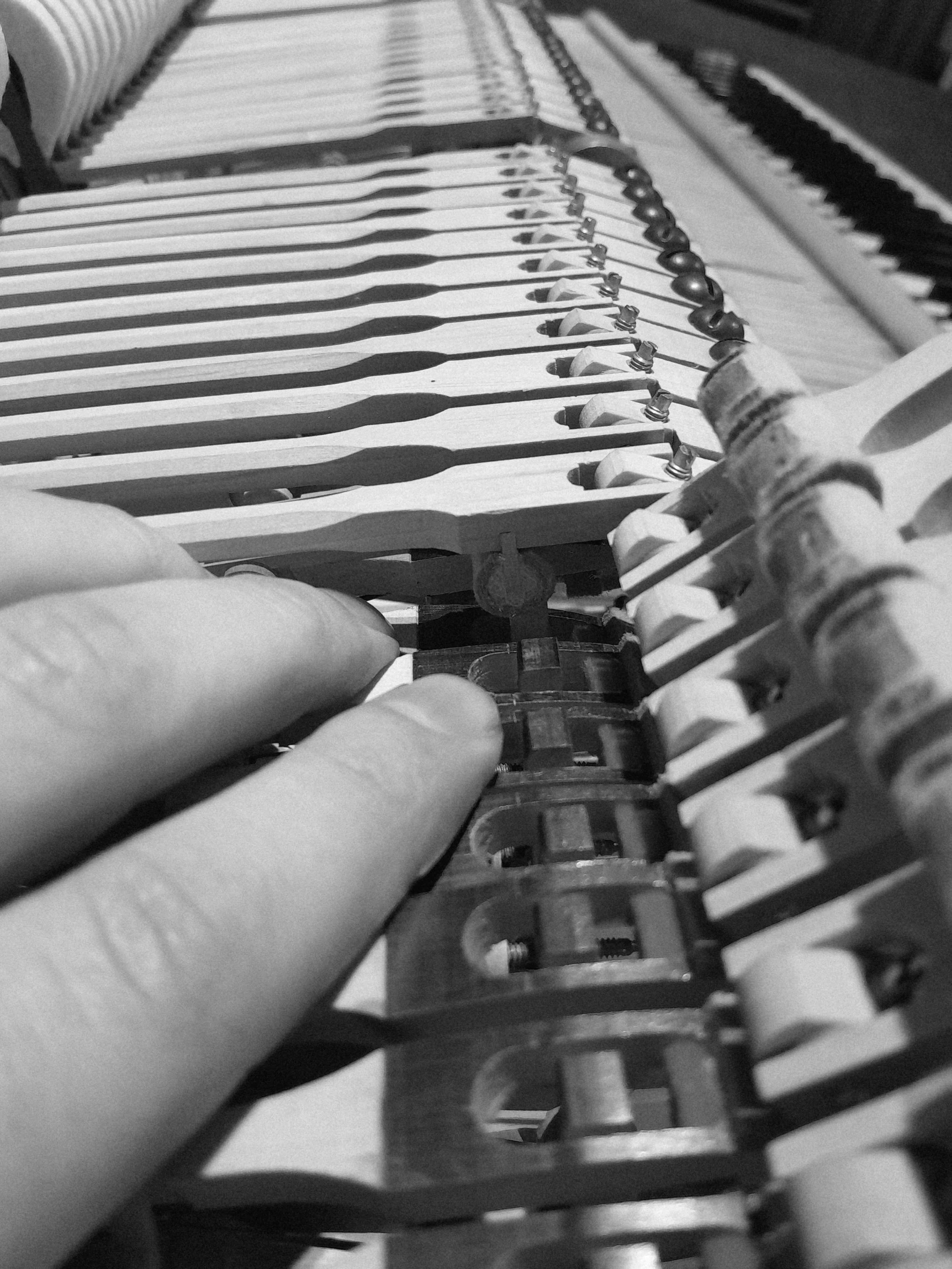
Aligning the jack position under the roller is an essential regulation step to ensure the hammer is propelled to the string with even force.
Hammer Shaping and Voicing
The piano’s felt hammers have a major influence on its tone. Through careful shaping and voicing, a technician adjusts the felt’s hardness, tension and contact point to create a more balanced and expressive sound. The aim is not simply to make the piano louder or softer, but to give the pianist a greater tonal spectrum — from delicate and warm to clear, powerful and singing — while maintaining balance across the keyboard.
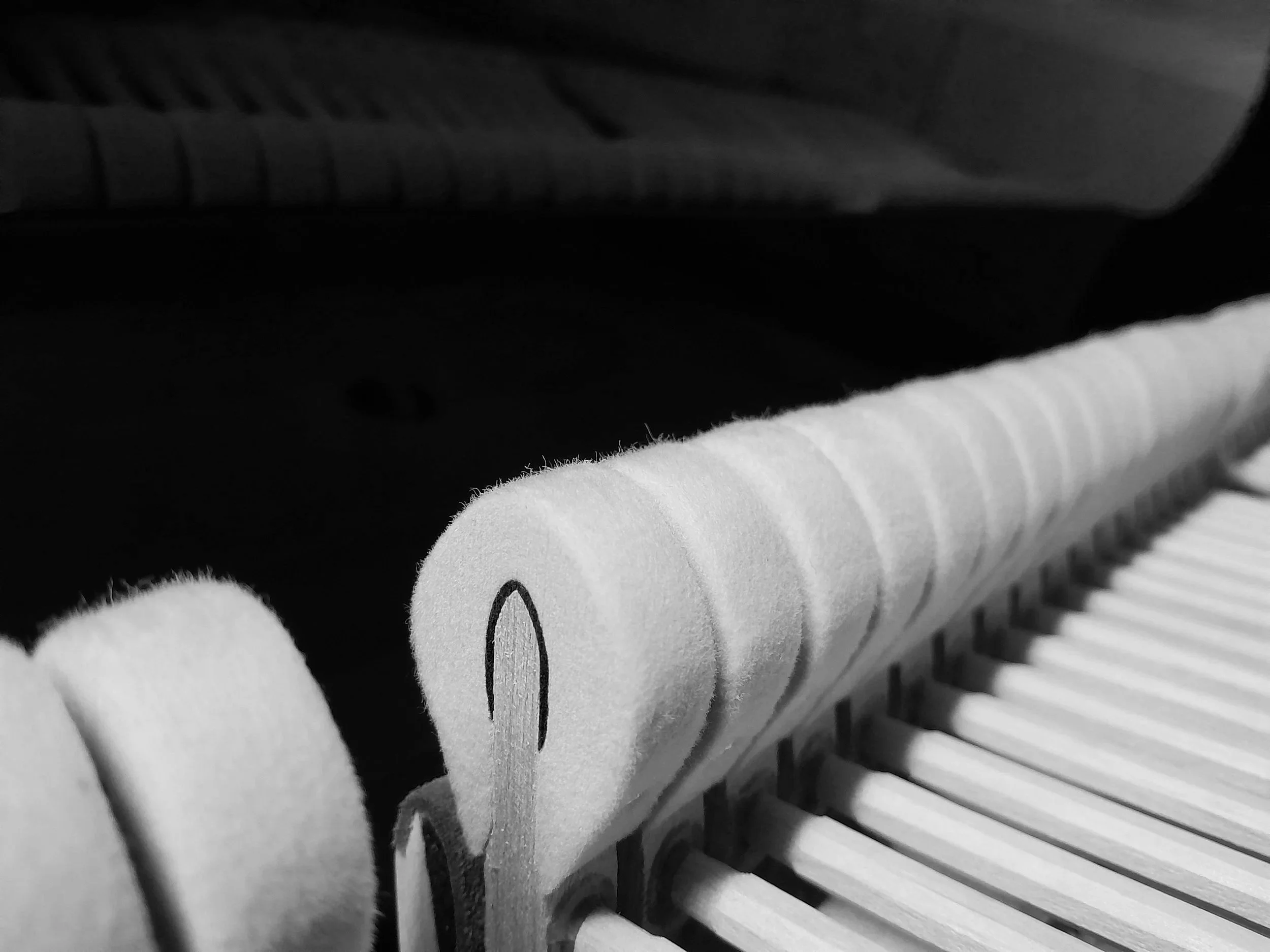
Hammer shaping & voicing brings back clarity and improves tone.
Benefits of a Piano Service
Ultimately, the purpose of servicing is to restore the relationship between the pianist and the piano.
A well-serviced piano can provide:
Greater responsiveness and faster repetition.
More even touch, each note has a consistent feel and response.
Greater dynamic control, from the lightest pianissimo to powerful forte.
Improved tonal colour, warmth and clarity.
This allows the pianist to focus on what matters - playing and creating expressive music.
Signs your Piano Needs a Service
If you begin to notice that the piano isn't what it used to be. Look and listen for signs such as:
The keys feel sluggish, uneven or sticky.
Difficulty playing softly or controlling pianissimo.
Lacking power when playing the notes with force.
Difficulty achieving fast, clean repetition.
Bouncing hammers (sometimes hearing a buzzing noise from them double striking the strings)
A difference in tone that sounds dull, harsh or metallic.
Noticeable differences in touch between keys and uneven key height.
Hammers showing pronounced grooves or flattened striking surfaces.
These are recognised indicators that a piano may benefit from regulation, voicing or other technical attention.
How Often Should a Piano Be Serviced?
Whilst age, use and the make of the piano all make a difference to how often it will require a service, a useful recommendation is as follows:
Domestic piano: approximately every 5–10 years for significant regulation, depending on use and condition.
Professional piano: approximately every 3–5 years, with adjustments as necessary.
Concert piano: at least every 1-2 years, with regular attention throughout the year.
Environment
The piano's environment can have a profound influence on its condition and may require your piano to be serviced more often. Wood, felt and other natural materials respond to changes in humidity. As these materials expand and contract, the geometry of the action and other components can change.
For this reason, a piano should ideally be kept in a stable environment and away from direct heat sources, heating or cooling vents and direct sunlight. You can find out more about the effects of humidity and looking after your piano by reading A Hint about Humidity: Don’t put your piano “out”.
Service Information
As a Registered Piano Technician, my aim is provide exceptional care for your piano so you can focus on what matters — playing and making music.
If it you are interested in a piano service and wish to improve your pianos playability you can view service plan options below and choose the service that best suits your pianos needs: