

Piano Services
Piano Tuning
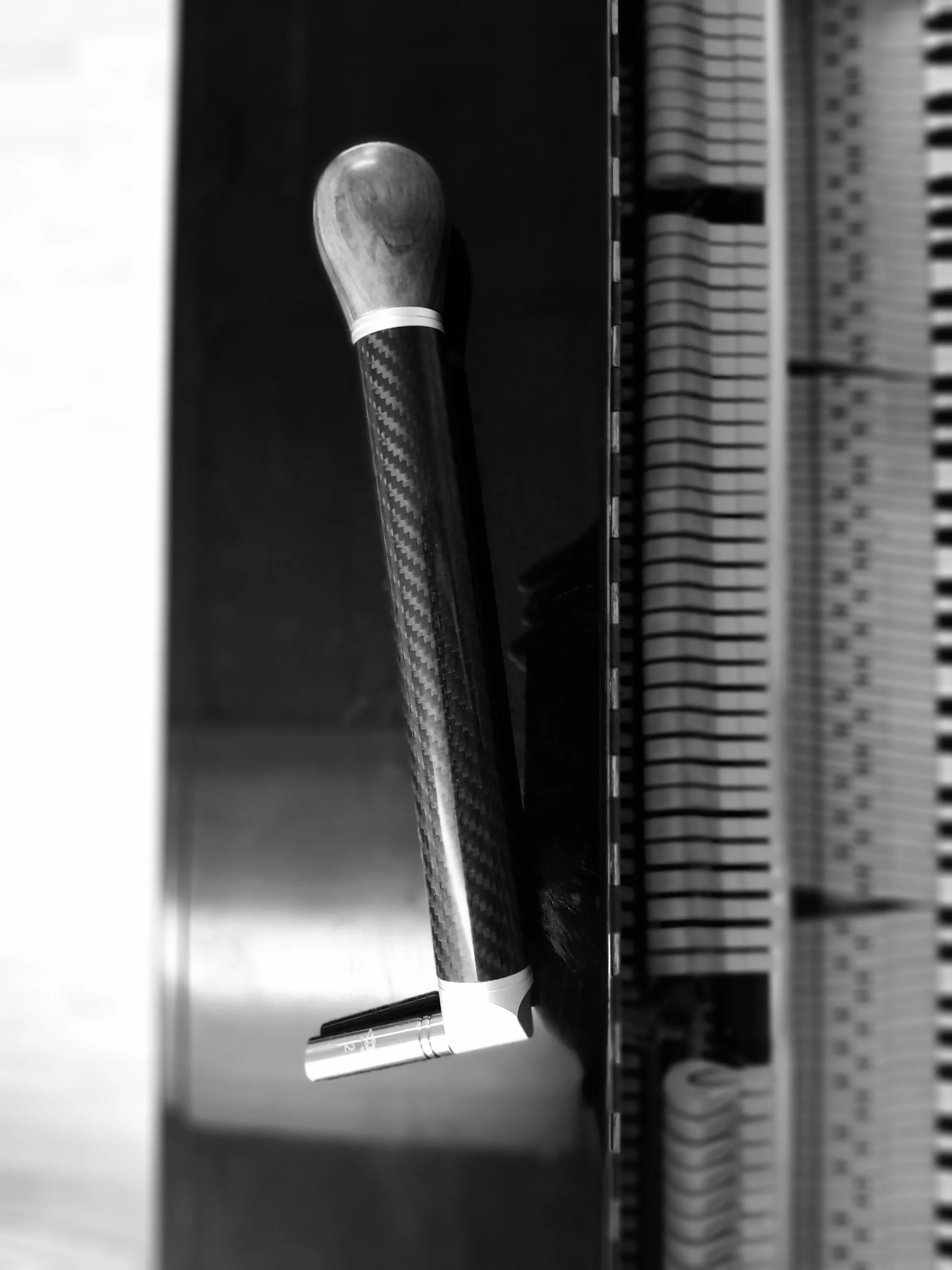
Standard Piano Tuning – A440 Concert Pitch
Maintains your piano's pitch and tone, perfect for regular upkeep.
-
This service will be ideal for a regularly tuned and well kept piano looking to be brought back precisely into its optimum playing condition.
-
At the appointment you can expect:
Fine Tune - precise pure 12ths piano tuning for added harmony.
Complimentary - minor repair and voicing to enhance your piano’s overall performance.
Light clean - of keys and casework for a clean finish.
-
This service is priced at £85
Please allow that at least 2 hours are spared for completion of this service.
-
Simply press the “Book now” button below and follow the instructions via the piano portal.
Make sure to select the “Standard Piano Tuning” service along with any additional services you require when booking.
If you have any questions about this service or would simply like to know more, then please feel free to get in touch via the contact page.

Corrective Piano Tuning — Pitch Raise Adjustment
Designed to restore your piano back to its ideal pitch, ensuring stability and harmonious sound.
-
Pianos are designed to sound their best at A440 Concert Pitch. This service allows your piano to once again reach its highest potential safely.
It is likely your piano will require this service if:
The piano hasn’t been tuned for more than 2 years.
Experiences extremes in its environment causing frequent pitch deviations.
Tuning has been significantly destabilised through moving, settling new strings, frequent forceful playing etc.
Sounds very “out of tune”!
-
With up to 20 tonnes of tension in a pianos frame, a pitch raise procedure requires multiple passes and adjustments along the piano.
To ensure optimal safety and stability this service is offered in two parts.
The First Part of this service includes:
Accurate measurement - of your pianos current pitch.
Assessment & Discussion - of what pitch your piano can safely be raised to.
Pitch Raise Procedure- Safely raising the pitch of the strings.
The Second Part of this service involves:
Stable Tuning - re-adjusting pins and strings to desired pitch.
Fine Tune - bringing the piano into its harmonious sound.
Complimentary - light voicing to enhance your piano’s tone.
An optional but recommend service will be offered if your piano has undergone an extensive pitch raise to schedule a next appointment within 3-months at a discounted rate.
-
The first appointment is priced at £125.
Please allow at least 3 hours for work to be completed for this service.
An optional follow-up appointment is recommended within 3 months priced at £55.
-
Simply press the “Book now” button below and follow the instructions via the piano portal.
Make sure to select the “Corrective Tuning” service along with any additional services you require when booking.
If you have any questions about this service or would simply like to know more, then please feel free to get in touch via the contact page.

Concert Tuning - Precision Piano Performance
Refined tuning optimised for high performance & concert conditions.
-
This service is ideal for pianists, venues, and recording studios requiring the highest level of precision, stability, and refinement for performances or professional use.
-
Pitch refinement – Tailoring the tuning to the environment to meet concert pitch for the performance.
Fine tune in concert mode – Achieved with an advanced level of precision for optimal balance and stability.
Light clean - of keys and casework, ready for pianist and audience.
-
This service is priced at £95.
Please allow at least 2 hours for the completion of this service.
-
If you are interested in this service you can reach out via email: patrick@patricknicolpianos.co.uk or phone: 07554399930 to discuss your requirements and dates.
Appointments can can also be scheduled through the booking portal via the “Book now” button below.
Simply and follow the instructions via the piano portal and make sure to select the “Concert Tuning” service when booking.
If you have any questions about this service or would simply like to know more, then please feel free to get in touch via the contact page.
Piano Tuning FAQs
-
Sound occurs when air is set into motion rapidly. Humans can hear sound if those cycles occur anywhere from twenty times each second to about twenty thousand times each second.
When a piano string is set into motion by you pressing a key, it vibrates up and down repeatedly. If the note A above middle C is properly tuned, that string will vibrate 440 times in one second. That’s what A-440 means.
Every note on a piano is tuned using A-440 as the starting point. A-440 has been accepted as the universal standard for most of the century.
Before that, there was no standard at all. If you go way back in time, every village used a prominent local instrument, such as a church organ, as the standard for tuning its musical instruments. -
Piano strings change pitch for two primary reasons: the initial stretching and settling of strings when the piano is new, and soundboard movement due to humidity variation.
When the soundboard reacts to changes in humidity, strings tighten and loosen as the soundboard reacts to the climate. Sometimes the pitch will rise above the standard A-440, but usually it will drop.
This means that each string needs to be tightened considerably to bring it to pitch. But as each string is tightened, it causes the pitch of previously adjusted strings to change as tension increases. A special technique called "pitch raising" can then be done to raise the strings to their correct tension levels. A pitch raise is essentially a special tuning procedure designed to leave the piano approximately in tune.
The next step is to do a more accurate tuning. Sometimes that can occur in the same visit. Other times, it might require a second or even a third visit. In general, the longer a piano has gone without regular service and the greater the change in humidity levels, the more visits may be required.
Your piano is a major investment which deserves regular servicing to keep it working well and preserve its value. By always maintaining your piano at standard pitch, you create long-term tuning stability because the strings and structure stay in equilibrium. You also ensure proper ear training because you always hear your music in the correct key.
-
Most piano manufacturers recommend having a piano tuned at least 2–4 times a year, depending on its age, how often it is played and the environment in which it is kept.
Here’s a quick guide to help:
New Pianos: These should be tuned every 3–6 months during the first year. As the strings and components settle, more frequent tuning ensures stability.
Regular Use: For most pianos in stable environments, tuning twice a year is ideal. This helps cater to seasonal changes in humidity and temperature which can affect string tension, making regular maintenance essential.
Concert or Studio Use: Pianos used in performances or recordings should be tuned before every session to deliver the most precise and reliable sound.
-
If your piano has not been seen to for a number of years it is more likely that it will require a slightly longer appointment. I would recommend booking a corrective tuning with service.
You can tell if your piano needs a service by noticing a few key signs. If the piano sounds out of tune, has sticking or sluggish keys, squeaky pedals, or notes that continue to ring after being played, it’s likely time for maintenance. Changes in tone, such as a harsh or overly bright sound, can also indicate the need for voicing or regulation. Regular servicing keeps the piano in good condition, so if it’s been 2 years or more since the last check-up, it’s worth scheduling a service to ensure everything is working smoothly.
If you are still unsure please feel free to get in touch and I will be happy to assist.
-
Standard Tuning:
Standard tuning refers to adjusting the piano to the internationally accepted pitch standard, where the note A above middle C (A4) is tuned to 440 Hz. This ensures the piano is in line with the correct pitch for most musical instruments and recordings, providing consistency when playing with others or alongside recordings.Fine Tuning:
Fine tuning is the process of making precise adjustments to the tension of each string after an initial tuning or pitch correction. It involves small, exact changes to each note to ensure the piano sounds perfectly in tune across all registers. This is typically done after the piano has been brought close to the desired pitch to fine-tune the accuracy.
Piano Servicing, Regulation & Voicing
With more than 12,000 adjustable parts that affect playing, pianos require periodic servicing every 1-5 years to maintain and bring back their responsiveness, touch and tone.

The Essential Piano Service – Half Day
Essential maintenance, regulation and adjustments to keep the piano performing at its best.
-
Tailored to your piano’s unique needs — ideal for regularly maintained pianos that need keeping in optimal playing condition, or older pianos that need more than a tuning to bring them back to life.
-
At the appointment you can expect:
Maintenance - including a bespoke cleaning of your piano.
Repairs - to bring back your piano into playing condition.
Regulation - to restore the responsiveness & evenness of your piano and enhance your playing experience.
-
This service is priced at £250
Please allow 4 hours for completion of this service.
-
If you are interested in this service you can reach out via email: patrick@patricknicolpianos.co.uk or phone: 07554399930 to discuss your requirements.
You can also book via the “Book now” button below and follow the instructions via the piano portal.
Make sure to select the “Essential Piano Service” option along with any additional services you require when booking.
If you have any questions about this service or would simply like to know more, then please feel free to get in touch via the contact page.

Comprehensive Piano Service — Full Day
A thorough service addressing the piano in greater depth, with detailed maintenance and regulation adjustments.
-
For a piano ready for a deeper level of care. Perfect for restoring an instrument’s touch and responsiveness, and bringing it closer to its full potential.
-
At the appointment you can expect:
Maintenance - including a bespoke cleaning of your piano.
Repairs - to bring back your piano into playing condition.
Regulation - to restore the responsiveness & evenness touch.
Additional Tailoring - to meet your pianos unique needs, enhancing its performance and elevating your playing experience.
-
The appointment is priced at £450.
Please allow 8 hours for work to be completed on this service.
-
If you are interested in this service you can reach out via email: patrick@patricknicolpianos.co.uk or phone: 07554399930 to discuss your requirements.
You can also book via the “Book now” button below and follow the instructions via the piano portal.
Make sure to select the “Comprehensive Piano Service” along with any additional services you require when booking.
If you have any questions about this service or would simply like to know more, then please feel free to get in touch via the contact page.
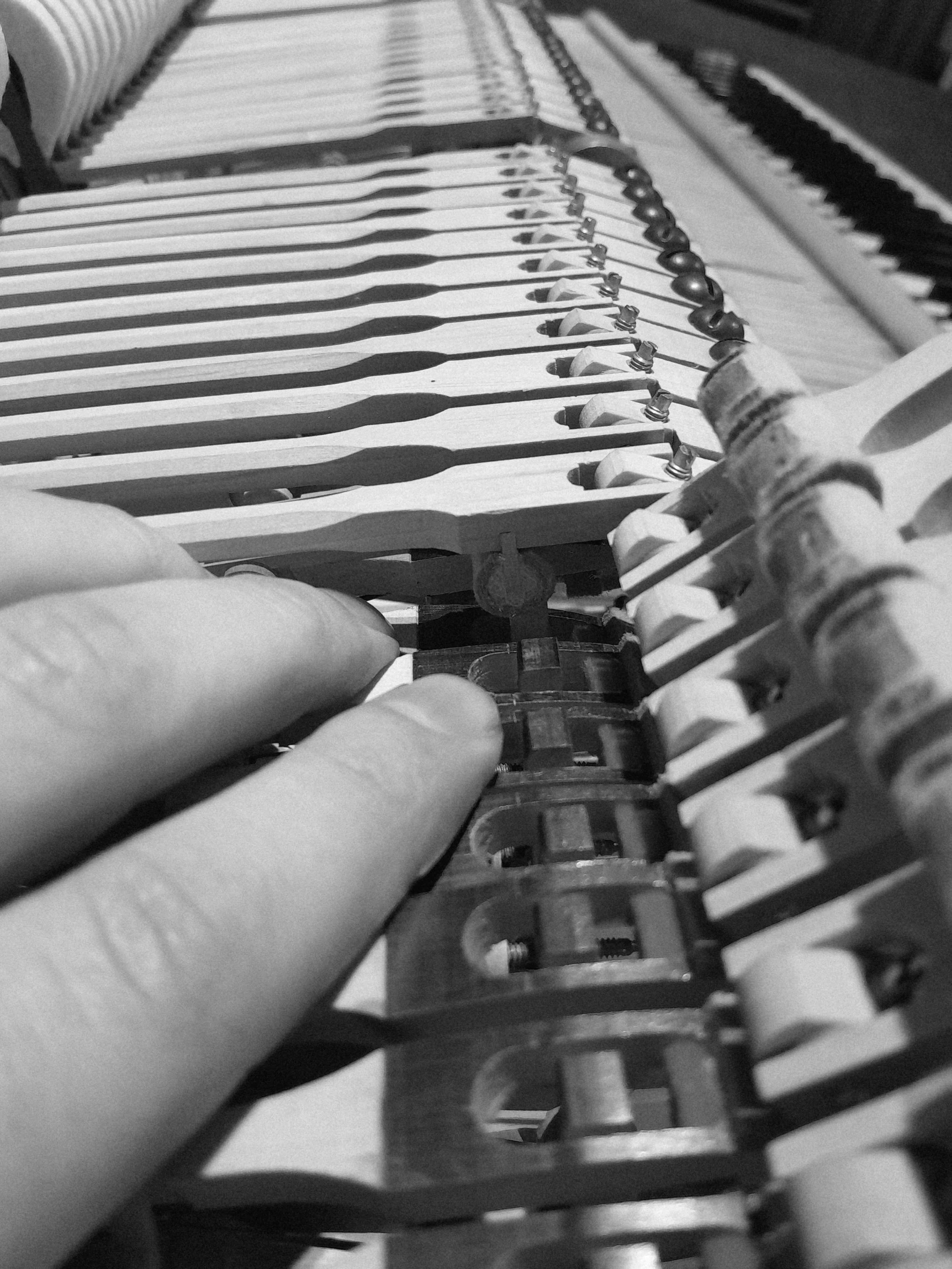
The Complete Piano Service - Two Days
A fully tailored service for performance pianos, with time to refine the piano to its highest level of expression and dynamic range.
-
Ideal for high performing pianos with concert venues, recording studios and discerning pianists.
Also for piano owners wishing to get the best out of their well-loved instrument.
-
At the appointment you can expect:
Maintenance - including a bespoke cleaning of your piano.
Repairs - to bring back your piano into playing condition.
Regulation - to restore the responsiveness & evenness of touch.
Hammer Restoration - Shaping and refining the felt to bring out the richness of sound.
Voicing - to enhance the tone and expression of the piano .
Additional Tailoring - to meet your pianos unique needs, enhancing its performance and elevating your playing experience.
-
This service is priced at £750.
Please allow two working days (16 hours) for the completion of this service.
-
If you are interested in this service you can reach out via email: patrick@patricknicolpianos.co.uk or phone: 07554399930 to discuss your requirements.
To schedule this service, please use the contact details above.
If you have any questions about this service or would simply like to know more, then please feel free to get in touch via the contact page.
Piano Servicing FAQs
-
Pianos are made from many natural materials, including wood, wool (felt) and leather, and these materials naturally change and wear over time.
With use, felts compress, wooden components can move with changes in the environment, and hammer felts become harder from repeated contact with the strings. This can make the tone harsher and less even. Metal components can also corrode or develop friction, causing keys and other parts of the action to become sluggish, sticky or unresponsive.
All of these changes can affect the geometry of the piano's action. A piano action is carefully designed and adjusted to very fine tolerances, so even small changes can have a noticeable effect on touch, responsiveness and control.
Regular servicing helps identify and correct these changes before they develop into more significant problems. It keeps the piano playing well, maintains its condition and, most importantly, helps ensure that playing remains an enjoyable and expressive experience.
-
A piano service is about maintaining the overall health, performance and condition of your instrument.
It includes checking the action, keyboard, dampers and pedals, making adjustments, and carrying out minor repairs where necessary. The aim is to keep the piano responsive, even and capable of producing its full dynamic and tonal range.
A good service is most effective when the piano's component parts are in sound condition. Worn or damaged parts may need to be repaired or replaced before regulation or adjustment can be properly carried out.
-
Regulation is the adjustment of the piano's mechanical system so that it works correctly, consistently and responsively.
This includes the action, keyboard, damper system and pedals. Adjustments can involve aligning or repositioning parts, shimming components, adjusting regulating screws and buttons, and altering the thickness or position of felts and leathers.
The result should be a more even, responsive and controllable piano.
Technical reference: Mario Igrec, Pianos Inside Out.